
Legacy giving
Continue your story with a legacy: it will live on in the embrace we give to the youngest.
Life continues in the good you leave behind
Choosing to include Cometa in your will means your story continues through the lives of the children we welcome:: embraced each day and gently shown the purpose and beauty of life in the simple sharing of the everyday.
Download the guide
The guide to charitable bequests is free and requires no commitment; fill out the form and receive it immediately.
A future for the young
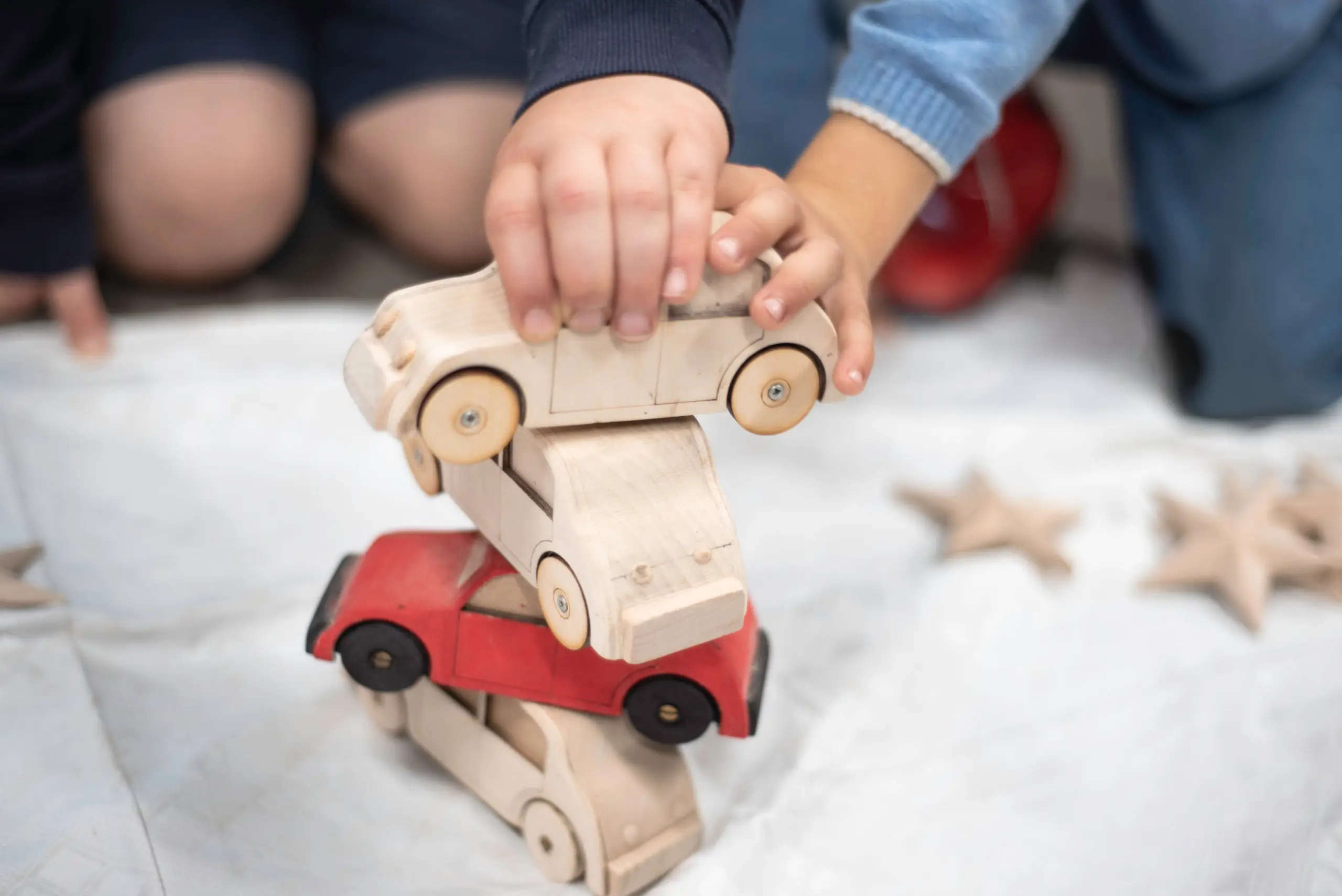
At Cometa, young people can continue to build their future. To welcome them means giving them the chance to experience being embraced and wanted, helping them nurture the hopes they carry in their hearts, the same hopes we all share.
What is a Solidarity Will?
You can remember Cometa in your will by naming us as a beneficiary or legatee: a gesture that allows you to dedicate a portion, even a modest one, of your estate to support children and families.
It is a simple and non-binding decision that can be reconsidered or changed at any time, without ever affecting the rightful inheritance of your loved ones.
You don’t need substantial wealth: even a modest contribution can make a real difference and support our daily work.
A lasting mark
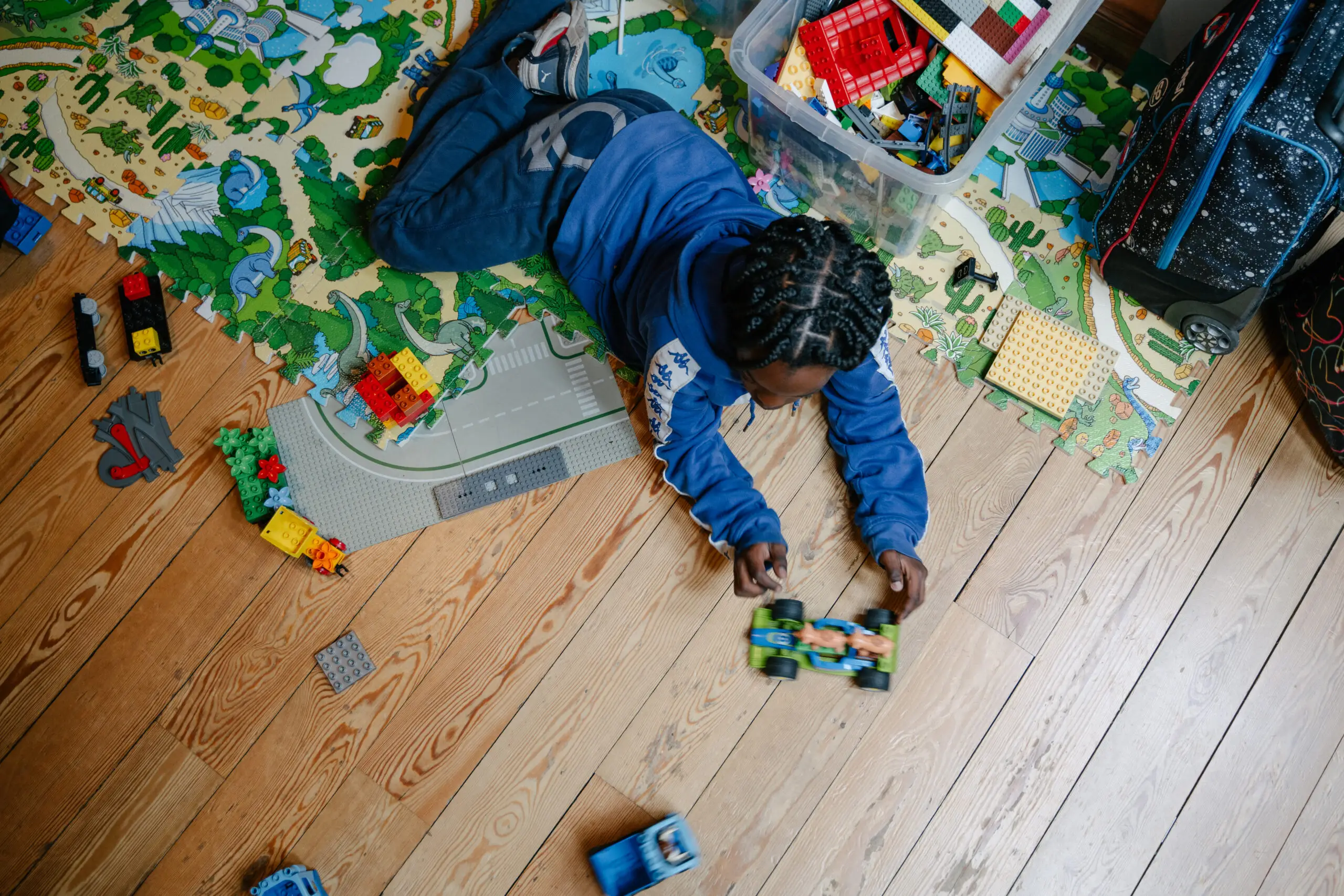
Legacy giving is an act of thoughtful intent, reflecting the desire to leave a part of ourselves behind: to build a better future for young people and children with Cometa.
The stories of our donors


About us
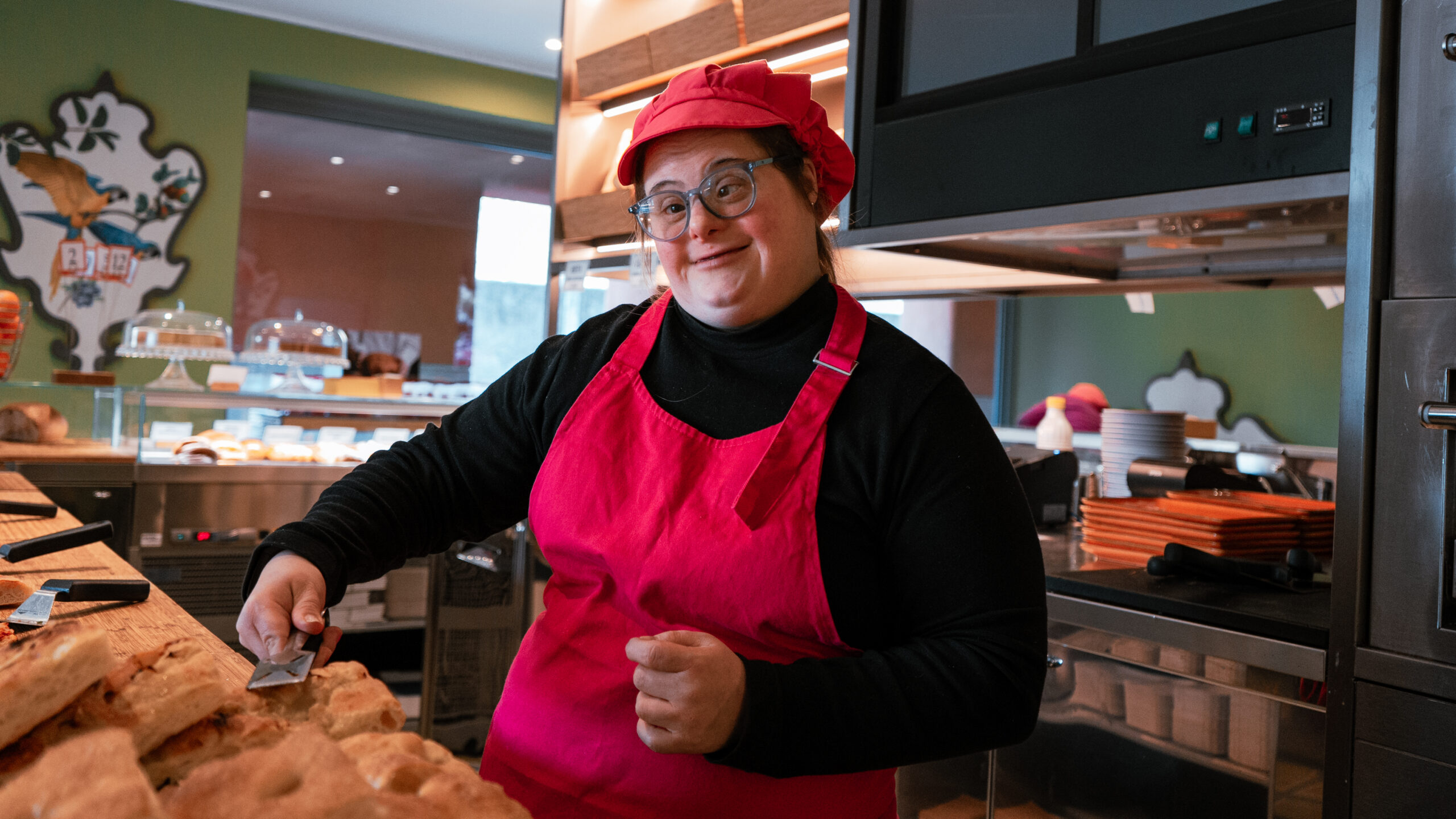
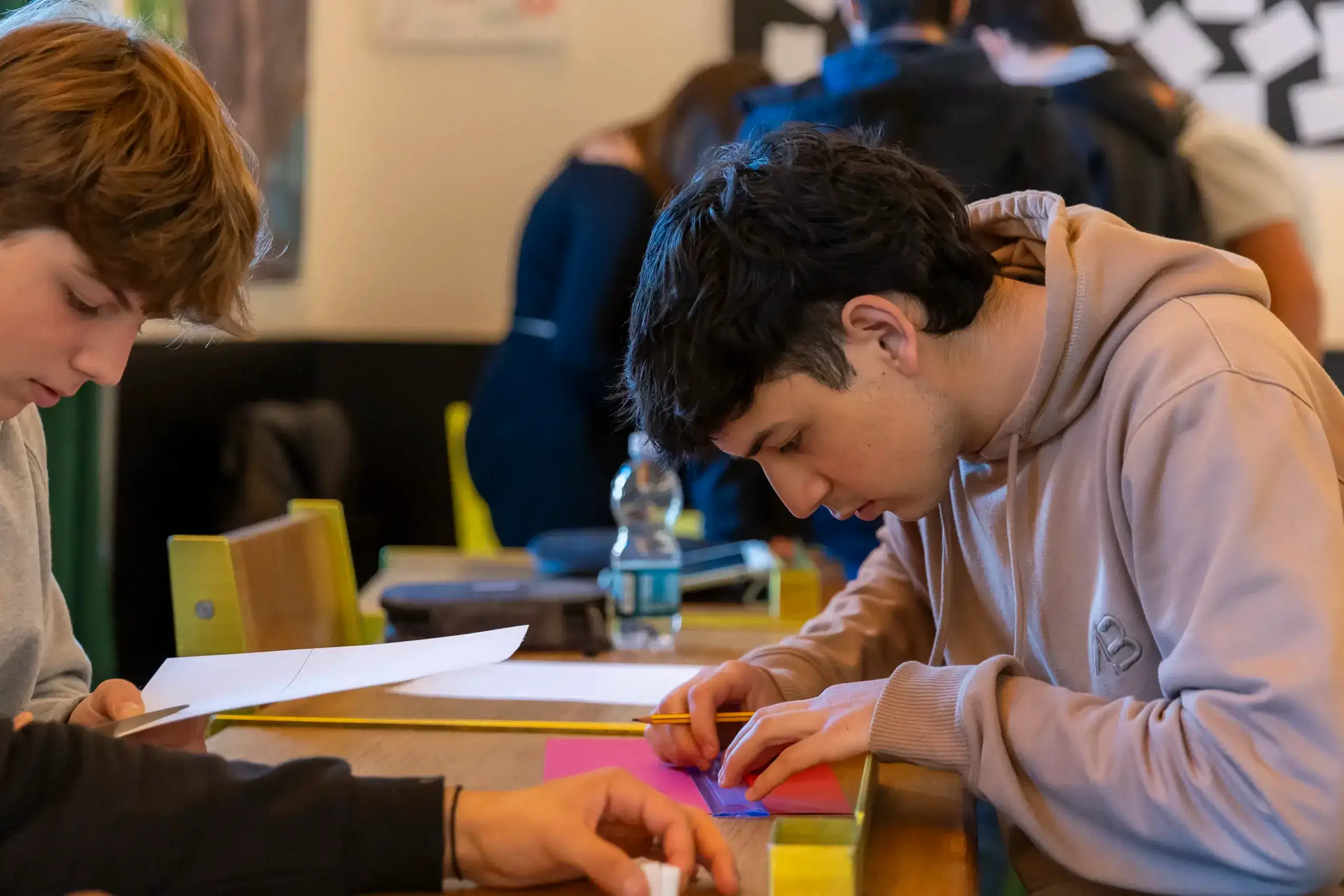
Since 1986, Cometa has been a place where care, inclusion, education, and work come together to help every individual discover their value.
A story built day by day, one that places the uniqueness of each person, beauty and lived experience at the heart of growth.
FAQ
What can I decide to leave to Cometa?
It is possible to leave to Cometa: real estate (houses, land and portions thereof), movable property (specific objects, securities, valuables, cash, credits), TFR and a life insurance policy.
Does the will bind me forever?
The testamentary disposition, whatever form it takes, is revocable at any time. It is therefore possible to modify the content of the will and dispose of one’s assets in favour of third parties again, should one change one’s mind for any reason. In the case of a holographic will, any subsequent addition or variation must be written, dated and signed by the testator in their own hand.
It is also possible to make changes by writing at the bottom of the document already drawn up: however, it is necessary to add the date of the changes and sign again.
What happens in the absence of a will?
In the absence of a will, the estate is divided among the heirs according to the shares provided by the Civil Code. The family members who inherit by law are: spouse or civil partner, children, siblings (if there are no children), ascendants (if there are no children) or other relatives up to the sixth degree only if they are the sole heirs. In the absence of heirs, the estate passes to the Italian State.
What do we do with your bequest?
The funds raised through bequests will ensure the accompaniment of children and young people in their educational and growth pathways, guaranteeing the provision of suitable spaces; the guidance of professionals, educators, teachers, psychologists according to the needs of the minor; the creation of a pathway designed specifically for each child and young person, respecting their uniqueness; the training and employment of people with disabilities, vulnerabilities and migrant backgrounds.
Is it necessary to go to a notary to make a will?
Not necessarily. It depends on the type of will chosen. A holographic will, for example, can be drawn up by anyone. It will be necessary to consult a notary if one intends or must draw up a public will.
What should I indicate in the will to identify Cometa?
It is sufficient to indicate the name of “Fondazione Cometa ente filantropico”, with the tax code number 95066370131.
Can everyone make a will?
Yes, with the exception of those who at the time of drawing up the will are incapable of understanding and willing, minors and those interdicted for mental infirmity. In these cases the act may be annulled at the request of anyone who has an interest in it. A person who due to physical problems is unable to write or sign can make a will, but only in the form of a public will, by going to a notary.
Can Cometa be the beneficiary of a life insurance policy?
Yes. Another way to support us is to donate your life insurance benefit, as it is not part of the hereditary estate and can be designated to a non-profit organization such as Cometa.
Are inheritances and donations in favour of Cometa subject to taxes?
No, all donations that occur through a bequest in the will are not subject to any type of tax.
What is the reserved portion and how is it calculated?
The “reserved portion” is the part of the inheritance reserved, by law, for forced heirs, that is, those who are always entitled to a share of the inheritance, even in the presence of any type of will: spouses or civil partners, children and parents (only if there are no children). For those making a bequest, there is also a “disposable portion” that can be freely disposed of by identifying beneficiaries other than forced heirs, allocating it, for example, to an organization like Cometa.
Here is how the distribution of the reserved portion and the disposable portion occurs according to different cases:
Spouse*
1/2 for the spouse* (reserved)
1/2 disposable portion
Spouse* and child
1/3 to the spouse* (reserved)
1/3 to the child (reserved)
1/3 disposable portion
Spouse* and children
1/4 to the spouse* (reserved)
1/2 to the children (reserved)
1/4 disposable portion
Spouse* and ascendants
1/2 to the spouse*
1/4 to the ascendants
1/4 disposable portion
One child
1/2 to the child (reserved)
1/2 disposable portion
Two or more children
2/3 to the children (reserved)
1/3 disposable portion
Legitimate ascendants
1/3 to the ascendants
2/3 disposable portion
* Spouses and civil partners have the same rights.
